
The 😊 blushing emoji means happiness, shyness, warmth, or appreciation, often showing that someone feels pleased, touched, or a little bashful.
Have you ever received a 😊 emoji in a message and wondered what the sender really meant? The blushing emoji is a friendly way to show happiness, warmth, shyness, or appreciation. It can make a simple message feel sweeter and more personal.
People often use the blushing emoji when someone gives them a compliment, says something kind, or makes them feel special. It can also show a little embarrassment, polite happiness, or quiet affection. However, its meaning is not always the same. A friend may use it to say thank you, while a crush may send it to show that your message made them smile.
The emoji blushing meaning depends on the message, the relationship, and the situation. It can feel friendly, cute, shy, or slightly romantic without always having a deeper meaning.
People use this emoji in text messages, WhatsApp chats, Instagram comments, TikTok conversations, and other social media posts. Understanding the surrounding words can help you work out what the sender wants to express.
In this guide, you will learn what the 😊 emoji means in texting, what it may mean from a girl or guy, how to understand it from your crush, which emojis are similar, and how to respond naturally.
Emoji Blushing: Quick Answer
The 😊 blushing emoji usually expresses happiness, warmth, friendliness, shyness, or appreciation. People often send it when they feel pleased by a compliment or want to make a message sound kind and sweet. It can sometimes suggest affection or romantic interest, but it does not automatically mean someone has a crush on you.
Simple meaning: Happiness + Warmth + Shyness
What Does the 😊 Blushing Emoji Mean?

The 😊 emoji is officially called the Smiling Face with Smiling Eyes. Many people call it the blushing emoji because its rosy cheeks and gentle smile can look shy or bashful.
It is generally a positive emoji. However, its exact meaning depends on how someone uses it.
1. Happiness and Joy
The 😊 emoji can show that someone feels happy, pleased, or comfortable.
It is useful when a person wants to share a little happiness without using a big, excited expression.
Example:
I finally passed my exam 😊
Here, the emoji shows happiness and satisfaction.
2. Shyness or Feeling Bashful
Sometimes, a kind message can make a person feel shy. The 😊 emoji can express that feeling in a gentle way.
Someone might use it after receiving a compliment or hearing something sweet.
Example:
You always know how to make me smile 😊
The sender may feel shy, touched, or happy about the conversation.
3. Appreciation and Gratitude
The blushing emoji can make a thank-you message feel warmer.
It often appears when someone appreciates a kind action, a compliment, or a thoughtful message.
Example:
Thank you for helping me today 😊
The emoji adds a friendly and grateful tone.
4. Friendliness and Kindness
People often use 😊 to make ordinary messages sound polite and welcoming.
It can soften a short reply that might otherwise seem too direct.
Example:
Sure, I can help you with that 😊
Here, the emoji gives the reply a friendly feeling.
5. Affection and Sweet Feelings
The 😊 emoji can also express affection. A person may send it to someone they care about when they want to sound gentle or sweet.
Example:
It was really nice talking to you 😊
Depending on the relationship, this may be friendly or slightly flirty.
However, the emoji alone cannot tell you whether the sender has romantic feelings.
6. Feeling Pleased by a Compliment
A compliment can make someone feel special. The blushing emoji is a natural way to respond without writing a long message.
Example:
You looked great today 😊
The sender may be happy to give the compliment, or the recipient may use the emoji to show that the compliment made them feel good.
What Does 😊 Mean in Texting?
In texting, 😊 usually makes a message feel warm, friendly, positive, or gentle. It can also show that the sender feels shy or pleased by something you said.
Here are some common examples.
Thank you so much 😊
This expresses gratitude in a warm way.
That is really sweet of you 😊
This shows appreciation and may suggest that the sender feels touched.
I had a great time with you 😊
This communicates happiness about spending time together.
You made my day 😊
This shows that something you said or did made the sender happy.
Okay, see you tomorrow 😊
This gives an ordinary message a friendly tone.
Aww, that is so nice 😊
This suggests that the sender feels pleased or touched.
Remember: The 😊 emoji is usually positive, but it does not always have a hidden meaning. Sometimes, a smile is simply a smile.
Emoji Blushing in Real-Life Conversations
The meaning of 😊 becomes easier to understand when you see how people use it in everyday conversations.
1. Between Friends
Person 1: “I saved you a seat in class.”
Person 2: “Thanks, you’re the best 😊”
The emoji shows appreciation and friendship. It makes the reply sound warm and natural.
2. When Someone Gives Support
Person 1: “Don’t worry. You’ll do well in your exam.”
Person 2: “I really needed to hear that 😊”
Here, the emoji shows that the encouragement made the person feel better.
3. Saying Thank You
Person 1: “I sent you the notes from today’s lecture.”
Person 2: “Thank you so much 😊”
The emoji adds warmth to a simple thank-you message.
4. Showing Care
Person 1: “Did you reach home safely?”
Person 2: “Yes, I did. Thanks for checking 😊”
The emoji shows appreciation for the other person’s concern.
5. Building Trust
Person 1: “You can tell me if something is bothering you.”
Person 2: “I know. I feel comfortable talking to you 😊”
Here, the emoji supports a message of comfort and closeness.
6. Encouraging Someone
Person 1: “I’m nervous about my first interview.”
Person 2: “You’ve prepared well. Just be yourself 😊”
The emoji makes the encouragement sound kind and reassuring.
7. Responding to Affection
Person 1: “You are such a lovely person.”
Person 2: “Aww, that’s so sweet 😊”
The reply suggests that the compliment made the person feel happy or bashful.
8. Replying to a Social Media Comment
Person 1: “Your new picture looks amazing!”
Person 2: “Thank you! 😊”
The emoji expresses appreciation in a casual online conversation.
9. Saying Good Morning
Person 1: “Good morning! Hope you have a beautiful day.”
Person 2: “Good morning 😊 You too!”
Here, it adds a cheerful and friendly touch to the greeting.
10. Between Close Partners
Person 1: “I always feel better after talking to you.”
Person 2: “That makes me really happy 😊”
In this situation, the emoji expresses warmth and affection. Since the people are partners, the message may have a romantic meaning.
What Does 😊 Mean From a Girl?
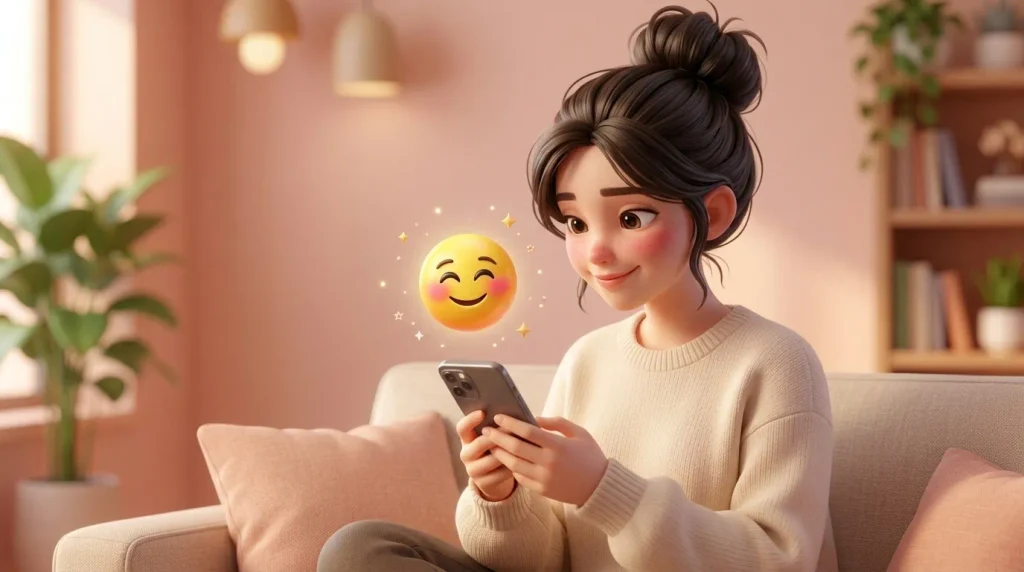
When a girl sends you 😊, she may be showing happiness, friendliness, appreciation, shyness, or affection. The meaning depends on what she says and how you know each other.
Here are three possible interpretations.
She Is Being Friendly
If she sends 😊 after a normal conversation, she may simply be keeping the chat warm and polite.
Example:
Thanks for sharing the notes 😊
This is most likely a friendly expression of gratitude.
She Feels Shy or Pleased
If you give her a compliment and she responds with 😊, she may feel happy or a little bashful.
Example:
You looked really nice today.
Aww, thank you 😊
She may appreciate the compliment, but the emoji alone does not prove romantic interest.
She May Be Showing Affection
If she regularly sends sweet messages, asks about your day, and makes an effort to keep conversations going, 😊 may be part of a warmer connection.
Example:
I always enjoy talking to you 😊
This can feel affectionate, although the words and the wider relationship matter more than the emoji alone.
Important: Do not assume a girl likes you romantically just because she sends 😊. Look at the overall conversation and how she treats you.
What Does 😊 Mean From a Guy?
When a guy sends 😊, he may be expressing friendliness, happiness, appreciation, shyness, or affection. Men and women can use the same emoji in similar ways.
He Is Being Friendly
Example:
Thanks for helping me with that 😊
He may simply be showing gratitude.
He Is Happy About Your Message
Example:
That was really nice of you 😊
The emoji suggests that he appreciates what you said or did.
He May Be Flirting
Example:
Talking to you is always the best part of my day 😊
This message may suggest affection or romantic interest, depending on your relationship.
However, some people use friendly emojis with everyone. Consider his words, behavior, and usual texting style before deciding what he means.
What Does 😊 Mean From Your Crush?

Receiving 😊 from your crush can feel exciting, especially when you are trying to understand their feelings.
The emoji may show that your crush is happy, comfortable, shy, or pleased by something you said. It can sometimes be part of a flirty conversation.
Consider these examples.
Example 1: A friendly reply
You: “Good luck with your test!”
Crush: “Thank you 😊”
This is a warm and friendly response. It does not necessarily mean your crush likes you romantically.
Example 2: A sweet response
You: “I really enjoy talking to you.”
Crush: “Aww, me too 😊”
This may suggest that your crush enjoys your company. Whether it is romantic depends on the wider relationship.
Example 3: A more personal message
Crush: “You always make me smile 😊”
This sounds affectionate and could be flirty, but it is still not definite proof of romantic feelings.
To understand your crush’s intentions, pay attention to whether they start conversations, show interest in your life, and make an effort to spend time with you.
What Does 😊 Mean From Your Best Friend?
Between best friends, 😊 often expresses happiness, appreciation, support, and closeness.
It can appear in ordinary conversations without any romantic meaning.
For example:
Thanks for always being there for me 😊
This shows appreciation for the friendship.
We had the best day together 😊
This expresses happiness about shared memories.
Don’t worry, bestie. Everything will be okay 😊
This communicates encouragement and care.
You know me so well 😊
This suggests comfort and understanding.
Best friends may also use 😊 when one of them gives a compliment or does something thoughtful.
In this relationship, the emoji usually reflects warmth and familiarity. It should not automatically be interpreted as flirting.
Is the 😊 Blushing Emoji Romantic?
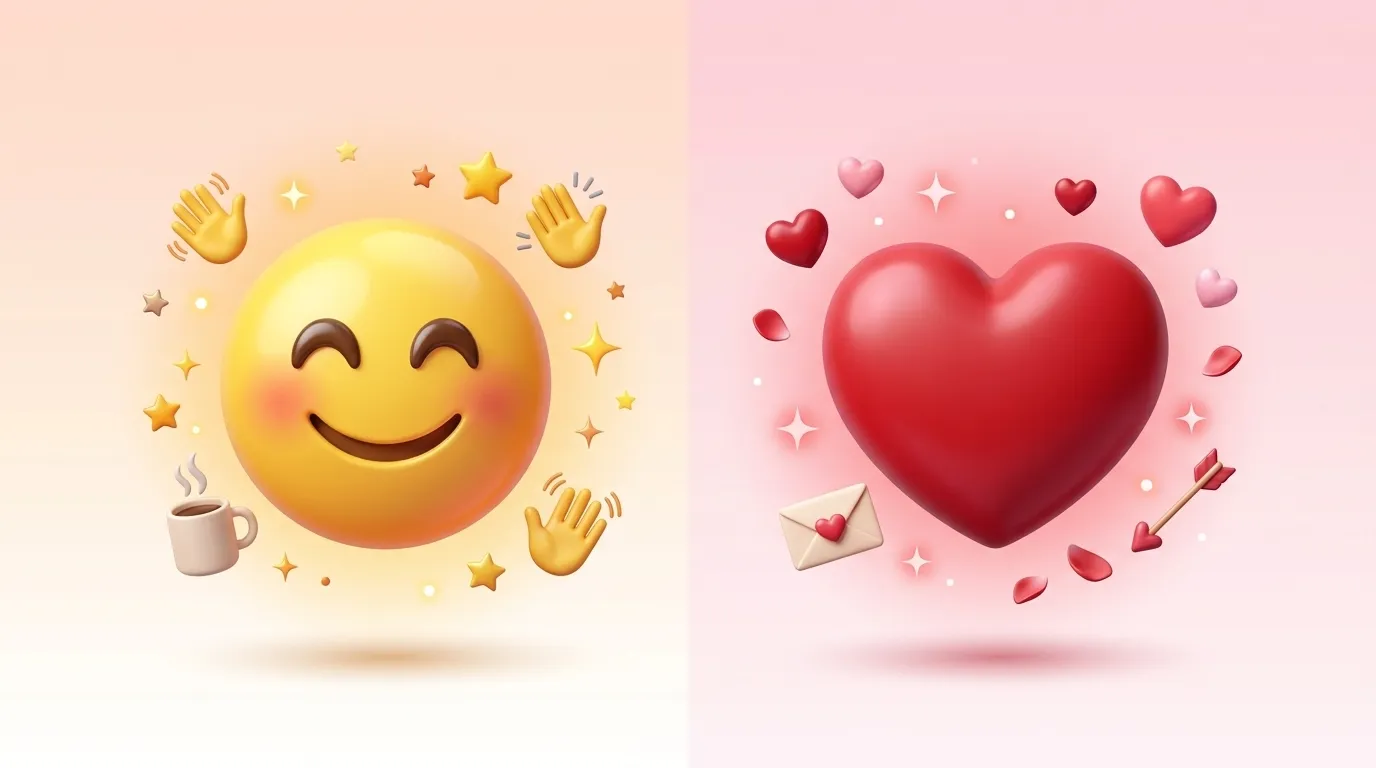
The 😊 emoji is sometimes romantic, but it is not mainly a romantic emoji. It is commonly used to express friendly happiness, kindness, appreciation, and gentle affection.
Its meaning changes with the situation.
- With a friend: It usually expresses friendliness or gratitude.
- With a crush: It may show shyness, happiness, or possible affection.
- With a partner: It can express love, warmth, or contentment.
- With a family member: It often shows kindness and care.
- With a coworker: It may simply make a message sound polite.
😊 vs ❤️ in Romantic Messages
The 😊 emoji usually expresses a warm smile or positive feeling. The ❤️ Red Heart emoji more directly represents love, affection, or emotional closeness.
Compare these messages:
It was lovely seeing you 😊
This sounds warm and friendly, although it could be affectionate.
It was lovely seeing you ❤️
This communicates affection more clearly and may feel more romantic.
Neither emoji can confirm someone’s feelings by itself. The message and relationship provide the important context.
Does the 😊 Emoji Mean Embarrassment?
Sometimes, yes. The rosy cheeks and gentle smile can make 😊 look shy or bashful.
For example:
You are making me blush 😊
The emoji supports the idea that the sender feels shy or flattered.
However, 😊 does not always mean embarrassment. It can simply show happiness or kindness.
If someone wants to express stronger embarrassment, they might choose 😳 (Flushed Face) or 🫣 (Face with Peeking Eye), depending on the situation.
Does 😊 Have a Hidden Meaning?
The 😊 emoji does not have one universal hidden meaning. Some people use it to express feelings they find difficult to put into words, while others use it as a normal friendly smile.
Its meaning can change in different conversations.
Example 1: Appreciation
“You helped me so much 😊”
The emoji adds warmth to a thank-you message.
Example 2: Shyness
“Stop, you’re making me blush 😊”
Here, it suggests that the person feels bashful or flattered.
Example 3: Affection
“I always look forward to seeing you 😊”
This may express affection, depending on the relationship.
Example 4: Politeness
“Okay, no problem 😊”
The sender may simply want to sound friendly.
It is better to understand the actual message than to search for a secret meaning in every emoji.
😊 vs Similar Emojis
Several smiling emojis look similar but can express different feelings. Understanding their differences helps you choose the right one.
😊 vs ☺️
The 😊 Smiling Face with Smiling Eyes emoji has a smiling expression with smiling eyes and rosy cheeks in many common designs. The ☺️ Smiling Face emoji has a simpler, classic smile.
Both can communicate warmth and happiness.
- 😊 — Often feels friendly, warm, or bashful.
- ☺️ — Often feels gentle, calm, or sweet.
The exact appearance can vary by platform.
😊 vs 🥰
The 🥰 Smiling Face with Hearts emoji includes hearts around the face. It often expresses love, affection, or feeling loved.
- 😊 — Friendly happiness, warmth, or shyness.
- 🥰 — Stronger affection, love, or adoration.
For example, “Thank you 😊” sounds friendly, while “Thank you 🥰” may feel more affectionate.
😊 vs 😳
The 😳 Flushed Face emoji has wide eyes and a visibly surprised or embarrassed expression.
- 😊 — A warm smile, happiness, or gentle shyness.
- 😳 — Surprise, shock, or stronger embarrassment.
Use 😳 when you want to show a more intense reaction.
😊 vs 😁
The 😁 Beaming Face with Smiling Eyes emoji has a broad, toothy grin.
- 😊 — Gentle happiness and warmth.
- 😁 — Excitement, a big smile, or cheerful enthusiasm.
😊 vs ☺️ vs 🥰: Quick Comparison
| Emoji | Official Name | Common Meaning |
|---|---|---|
| 😊 | Smiling Face with Smiling Eyes | Warmth, happiness, friendliness |
| ☺️ | Smiling Face | Gentle happiness, kindness |
| 🥰 | Smiling Face with Hearts | Love, affection, feeling loved |
| 😳 | Flushed Face | Surprise, embarrassment |
| 😁 | Beaming Face with Smiling Eyes | Excitement, a big happy grin |
| 😌 | Relieved Face | Relief, calmness, contentment |
| 😅 | Grinning Face with Sweat | Nervous laughter, relief, awkwardness |
Emoji meanings are flexible. A person’s texting habits and the surrounding message can change how any of these emojis feel.
What Does 😊 Mean on WhatsApp, Instagram, TikTok, and Snapchat?
The 😊 emoji has the same basic identity across social platforms, although its appearance can vary slightly by device or platform. People may use it differently depending on the conversation.
😊 Meaning on WhatsApp
On WhatsApp, 😊 often appears in private messages with friends, family, and partners.
Examples:
“Thank you for checking on me 😊”
“See you tomorrow 😊”
It usually makes a message sound warm, kind, or friendly.
😊 Meaning on Instagram
On Instagram, people may use 😊 in comments, direct messages, and replies to stories.
Example:
“Your outfit looks so good 😊”
The emoji adds a friendly tone to the compliment. It may be flirty in some situations, but not always.
😊 Meaning on TikTok
On TikTok, 😊 can appear in comments and private messages.
Example:
“This video made my day 😊”
Here, it expresses happiness or appreciation.
The meaning may also depend on the video or conversation being discussed.
😊 Meaning on Snapchat
On Snapchat, someone might send 😊 in a snap caption or chat to make a message feel sweet or relaxed.
Example:
“Had fun today 😊”
This suggests that the person enjoyed the experience.
😊 Meaning on Facebook
On Facebook, 😊 may appear in comments, posts, or Messenger chats.
Example:
“Thanks for the birthday wishes 😊”
It expresses appreciation and friendliness.
😊 Meaning on X
On X, formerly known as Twitter, people may use 😊 in replies or posts to express a positive feeling.
Example:
“Finally finished my project 😊”
The emoji communicates satisfaction or happiness.
There is no need to assume that each platform gives 😊 a different official meaning. The context and the way people communicate are more important.
What Does 😊😊 Mean?
Using 😊 twice can make a message feel warmer, sweeter, or more expressive. It may add emphasis to a happy or friendly reaction.
For example:
“Thank you 😊😊”
This may communicate extra warmth or appreciation.
“I’m so happy for you 😊😊”
The repeated emoji adds enthusiasm and kindness.
However, repeating an emoji does not automatically mean stronger romantic interest. Some people simply enjoy using more emojis in their messages.
Common 😊 Emoji Combinations
| Combination | Possible Meaning |
|---|---|
| 😊❤️ | Warm affection, love, or appreciation |
| 😊🥰 | Happiness mixed with affection |
| 😊🙏 | Thankfulness or a polite request |
| 😊✨ | Positive feelings, excitement, or a special moment |
| 😊💕 | Sweetness, care, or affection |
| 😊😂 | Happiness, amusement, or friendly laughter |
| 😊🌸 | Gentle, sweet, or cheerful mood |
| 😊🤗 | Warmth, comfort, or a friendly greeting |
These combinations do not have fixed meanings. Read them alongside the words in the message.
How to Respond to the 😊 Emoji
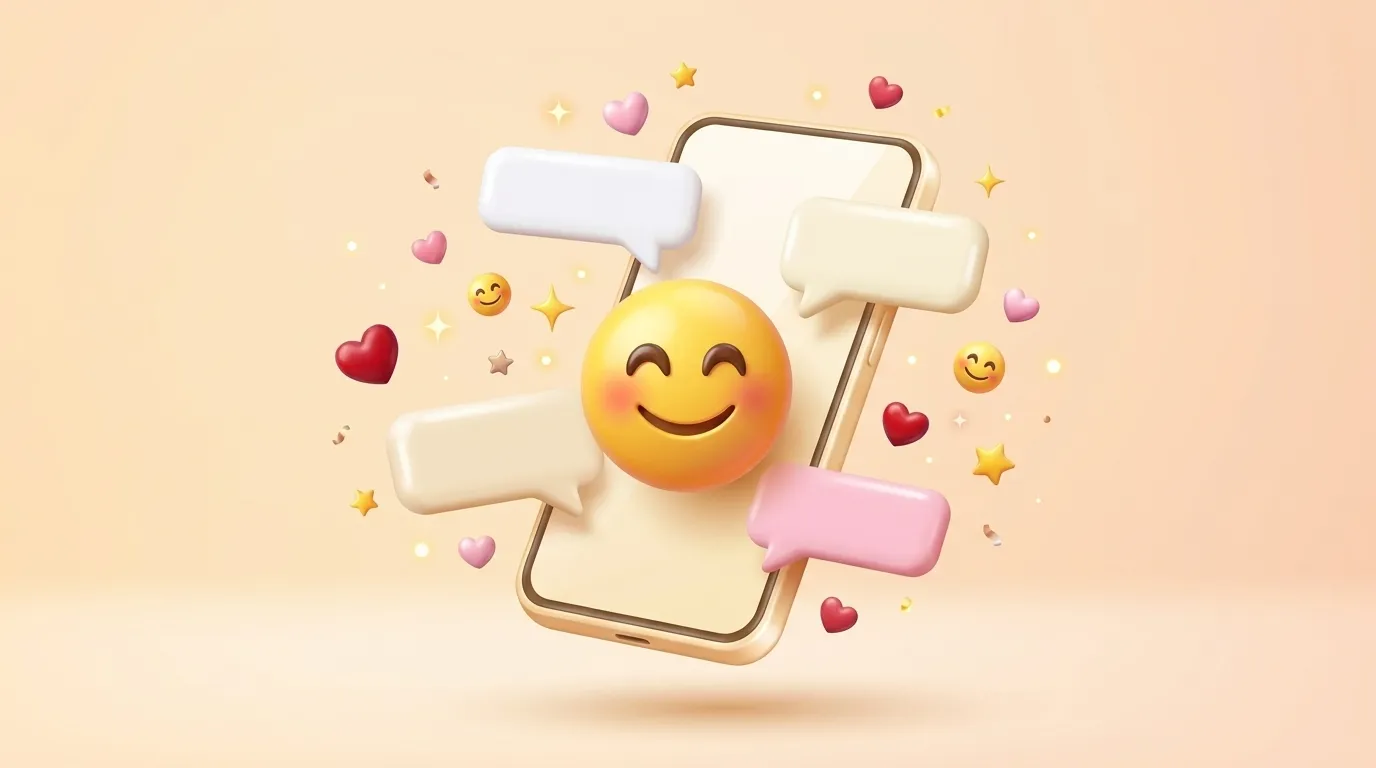
The best response depends on who sent the emoji and what they said. You do not always need to send another emoji. A simple, natural message is often enough.
1. If a Friend Sends 😊
You can reply in a relaxed and friendly way.
- “You’re welcome!”
- “Haha, glad you’re happy 😊”
- “Anytime, buddy!”
2. If Your Crush Sends 😊
If you want to keep the conversation going, respond warmly without assuming that the emoji is romantic.
- “That made me smile too 😊”
- “You’re really sweet.”
- “How has your day been?”
If the conversation already feels flirty, you can match that tone.
3. If Your Partner Sends 😊
You can reply with affection.
- “You always make me smile ❤️”
- “Love seeing you happy 😊”
- “Can’t wait to see you!”
4. If a Family Member Sends 😊
A kind and simple response works well.
- “Love you!”
- “Thank you 😊”
- “Hope you’re doing well too.”
5. If Someone Supports You
Show that you appreciate their kindness.
- “Thanks, that means a lot.”
- “I really appreciate your support 😊”
- “I’m glad I can talk to you.”
6. If You Do Not Know What They Mean
You can continue the conversation normally instead of trying to decode the emoji.
For example:
Them: “That sounds good 😊”
You: “Great! What time works for you?”
This keeps the chat natural and avoids unnecessary confusion.
When Should You Use the 😊 Emoji?
The 😊 emoji is useful when you want to express a gentle, positive feeling.
Use it when:
- Thanking someone for their help.
- Responding to a kind compliment.
- Sharing good news.
- Greeting a friend or family member.
- Making a message sound warm and friendly.
- Showing that a conversation made you happy.
- Expressing mild shyness or feeling flattered.
- Sending a sweet but not overly romantic message.
- Encouraging someone who feels nervous.
- Replying to a thoughtful social media comment.
Examples You Can Copy
“Thanks for remembering my birthday 😊”
“I’m glad everything worked out 😊”
“It was nice meeting you today 😊”
“Good luck with your presentation 😊”
“Aww, that is so kind of you 😊”
“Hope you have a lovely evening 😊”
These examples show how the emoji can make everyday messages feel more personal.
When Should You Avoid Using the 😊 Emoji?
Although 😊 is useful in many conversations, it may not always be the clearest choice.
1. In Serious or Urgent Messages
If someone is sharing serious news, a smiling emoji may make your reply seem less concerned than you intend.
Instead of:
“I’m sorry you’re going through that 😊”
You could say:
“I’m really sorry you’re going through this. I’m here for you.”
2. In Formal Work Messages
In a professional setting, use emojis only when they fit the workplace culture and the relationship.
For example, a simple “Thank you for the update.” may be more suitable in a formal email than adding an emoji.
3. When You Want to Express Strong Love
If you want to clearly express love, ❤️ or 🥰 may communicate that feeling more directly.
The 😊 emoji can still work, but it may not express the same level of affection.
4. When Someone May Misunderstand Your Intentions
If you are speaking with someone who may interpret friendly messages as flirting, clear words can help avoid confusion.
5. When the Message Needs a Clear Emotional Tone
If you feel very upset, angry, or disappointed, a smiling emoji may create confusion. Explain your feelings in words instead.
Common Mistakes About the 😊 Emoji
People sometimes misunderstand the blushing emoji because they focus on its appearance instead of the conversation.
Here are five common mistakes to avoid.
1. Assuming It Always Means Romance
The 😊 emoji can appear in romantic conversations, but it is also common in friendly and polite messages.
2. Assuming It Always Means Shyness
Its rosy cheeks can look bashful, but the emoji can also express simple happiness, gratitude, or warmth.
3. Treating It as Proof of a Crush
A girl or guy sending 😊 does not automatically mean they are attracted to you. Look at the wider conversation.
4. Confusing It With Other Smiling Emojis
😊, 🥰, 😳, and 😁 can express different feelings. They are not always interchangeable.
5. Ignoring the Words Around It
The same emoji can mean different things in different messages.
For example, “Thanks for helping 😊” is usually appreciative, while “I love spending time with you 😊” may sound more affectionate.
How to Understand the Meaning of 😊 From Someone
If you receive 😊 and are unsure what it means, use this simple checklist.
1. Who Sent It?
Think about whether the sender is a friend, a family member, a coworker, your partner, or your crush. Your relationship can affect the tone.
2. What Did They Say?
Read the complete message. The words often explain the emoji better than its appearance does.
For example, “Thank you 😊” usually shows gratitude, while “You make me so happy 😊” may express a more personal feeling.
3. What Is Your Relationship?
Close friends may use 😊 casually. A romantic partner may use it to show affection. Neither interpretation is guaranteed.
4. What Was Happening at the Time?
A compliment, a joke, a serious conversation, or a friendly greeting can all affect the meaning.
5. Do They Normally Use Emojis?
Some people add emojis to almost every message. Others use them only when they feel especially happy or affectionate.
Comparing the message with the person’s usual texting style can help you avoid reading too much into it.
Best tip: If the meaning really matters, pay attention to the person’s words and actions rather than trying to guess everything from one emoji.
😊 Meaning in Different Relationships
The following table shows how the blushing emoji may be understood in different relationships.
| Relationship | Possible Meaning |
|---|---|
| Best friend | Happiness, closeness, appreciation |
| Friend | Friendliness, kindness, gratitude |
| Family member | Warmth, care, affection |
| Crush | Shyness, happiness, possible interest |
| Romantic partner | Affection, warmth, contentment |
| Coworker | Politeness, friendliness, appreciation |
| Online friend | Positive feelings, friendly connection |
These are common possibilities, not strict rules. People have different communication styles, so the same emoji may carry different meanings.
Easy Way to Remember the 😊 Meaning
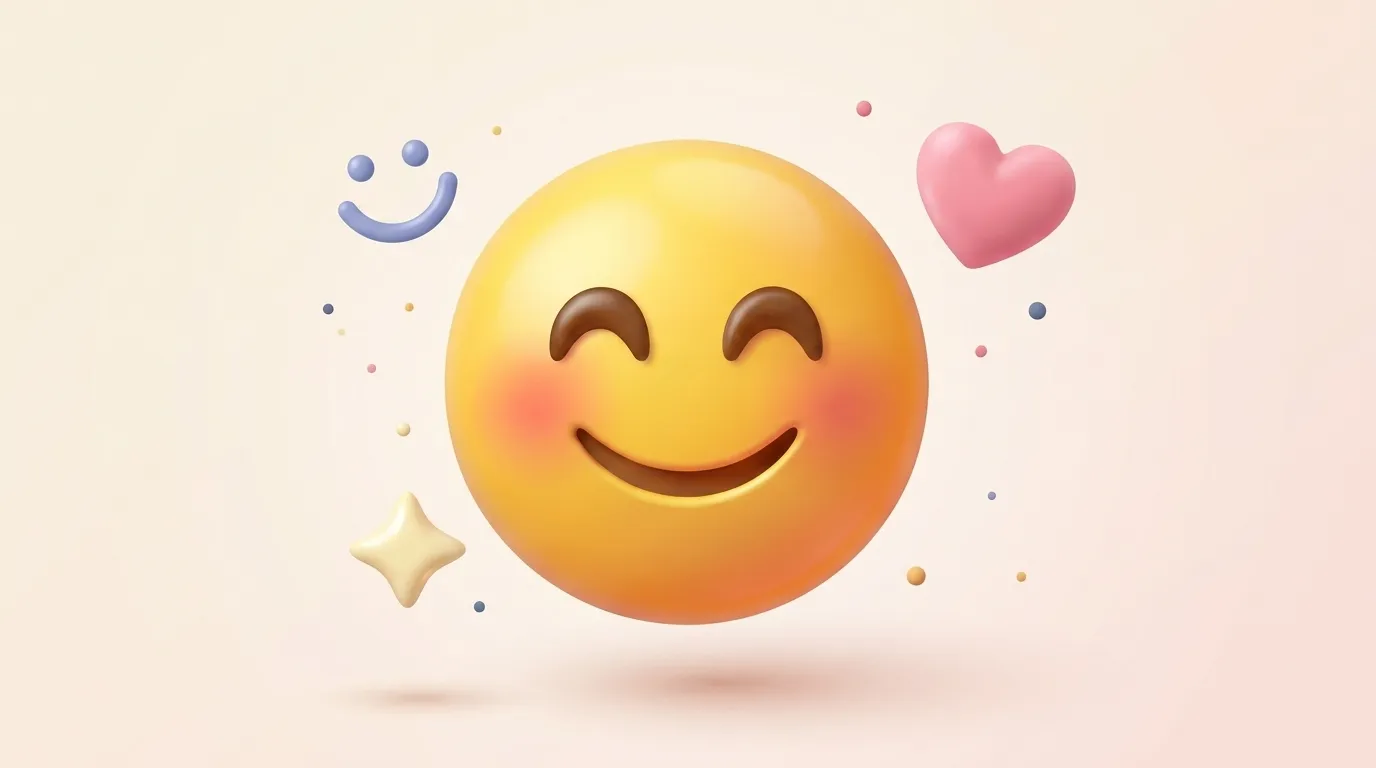
The easiest way to remember the 😊 emoji is to connect it with a warm smile.
😊 = Happiness + Warmth + Shyness
Think of a moment when someone gives you a kind compliment or says something that makes you smile. You might respond with 😊 because you feel pleased, appreciated, or a little bashful.
If the message is friendly, the emoji may simply show kindness. If the conversation is personal or romantic, it may express affection.
You do not need to search for a hidden meaning every time someone uses it. Start with the words, consider your relationship, and read the message as a whole.
FAQs About the 😊 Blushing Emoji
1. What does the 😊 emoji mean?
The 😊 emoji usually means happiness, warmth, friendliness, appreciation, or shyness. Its meaning depends on the message and the relationship between the people.
2. What does 😊 mean in texting?
In texting, 😊 makes a message feel friendly, gentle, or positive. It may show gratitude, happiness, or that a compliment made someone feel good.
3. What does 😊 mean from a girl?
A girl may use 😊 to express friendliness, appreciation, shyness, or affection. It does not automatically mean she likes someone romantically.
4. What does 😊 mean from a guy?
A guy may send 😊 to show happiness, kindness, gratitude, or affection. The message and his usual texting habits help explain what he means.
5. What does 😊 mean from a crush?
From a crush, 😊 may show that they feel happy, comfortable, or pleased by your message. It can be flirty in some situations, but it does not confirm romantic interest.
6. What does 😊 mean from a best friend?
Between best friends, it usually expresses warmth, happiness, support, or appreciation. It is often friendly rather than romantic.
7. Is the 😊 emoji romantic?
It can be romantic in the right context, but it is not exclusively a romantic emoji. It commonly expresses friendly happiness and warmth.
8. What does 😊 mean on WhatsApp?
On WhatsApp, 😊 often makes a message sound kind, sweet, polite, or friendly. Its meaning depends on the conversation, not just the platform.
9. What does 😊 mean on Instagram?
On Instagram, people may use 😊 in comments, story replies, or direct messages to express appreciation, happiness, or friendliness. It can sometimes feel flirty.
10. What is the difference between 😊 and 🥰?
The 😊 emoji usually expresses warmth, happiness, or shyness. The 🥰 emoji more directly expresses love, affection, or feeling loved.
11. What does 😊😊 mean?
Repeating 😊 may add extra warmth, happiness, or emphasis. It does not automatically mean stronger romantic feelings.
12. How should I respond to 😊?
Reply according to the conversation. You could say “Thank you!”, “You’re welcome 😊”, or “That made me smile too.” A friendly, natural response is usually enough.
Conclusion: Emoji Blushing 😊
The 😊 blushing emoji is a simple way to make a message feel warm, friendly, and positive. It commonly expresses happiness, appreciation, shyness, kindness, and gentle affection. People use it when thanking someone, responding to a compliment, sharing good news, or making an everyday conversation feel sweeter.
The meaning can change depending on who sends it. A friend may use 😊 to show gratitude, a family member may use it to express care, and a crush may use it to show happiness or possible affection. In a romantic relationship, it can make a message feel loving and personal.
However, the 😊 emoji does not always mean that someone is shy, flirting, or hiding romantic feelings. It is also a normal way to smile through a text message. The words, the situation, and the person’s usual communication style are all important clues.
If you receive this emoji, read the whole message before deciding what the sender means. If you are unsure, continue the conversation naturally instead of assuming the emoji has a secret meaning.
The main takeaway: 😊 usually means a warm, happy smile. It may express affection, but context tells you much more than the emoji alone.
RELATED POST:
Covering Face Emoji Meaning: Shy, Flirty, or Embarrassed? (Update 2027)
Eggplant and Peach Emoji 🍆🍑: What Do They Mean? (Update 2027)
Brownie Emoji 🍫 Meaning: What Does It Mean?

Ali Hassan is the creator and author of TheEmojiZone. He enjoys exploring emojis, their meanings, uses, and creative combinations. Through TheEmojiZone, he shares simple and helpful emoji content to make it easy for readers to discover, understand, and use their favorite emojis.
Pingback: Covering Face Emoji Meaning: Shy, Flirty, or Embarrassed? (Update 2027)